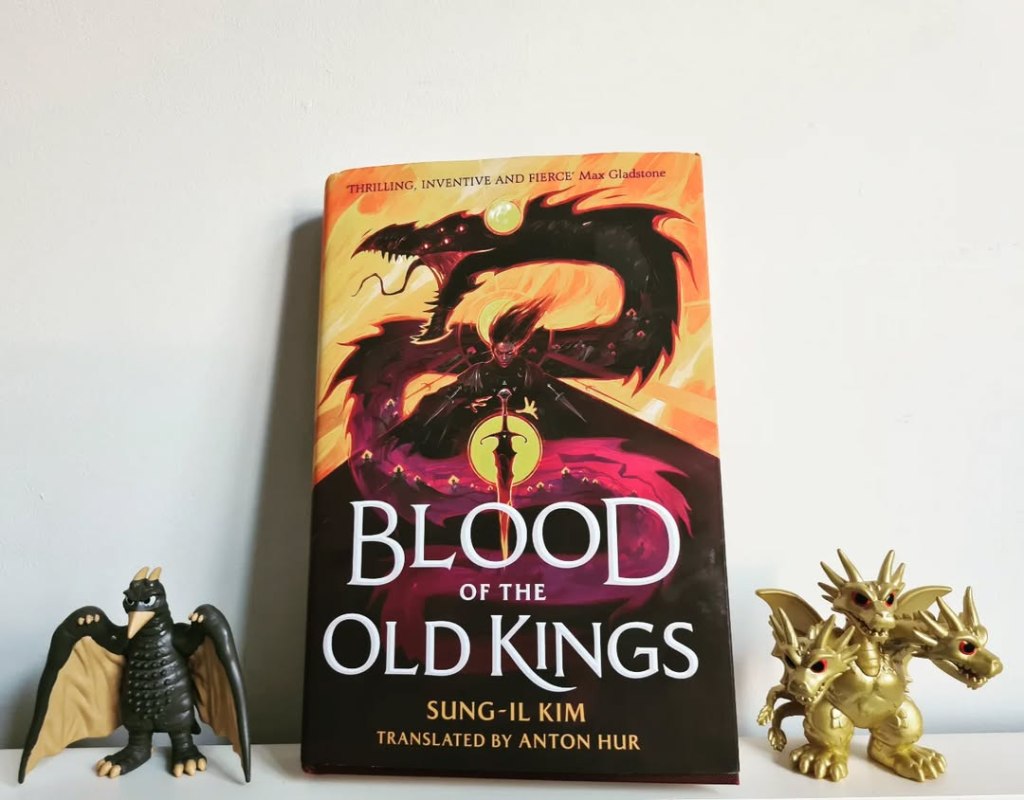
I made another appearance on KBS Korea 24, this time discussing Korean fantasy novel Blood of the Old Kings by Sung-il Kim. It’s archived on their site and available on all good podcast platforms, but if you’re a Spotify user you can click here to be taken straight to my appearance.
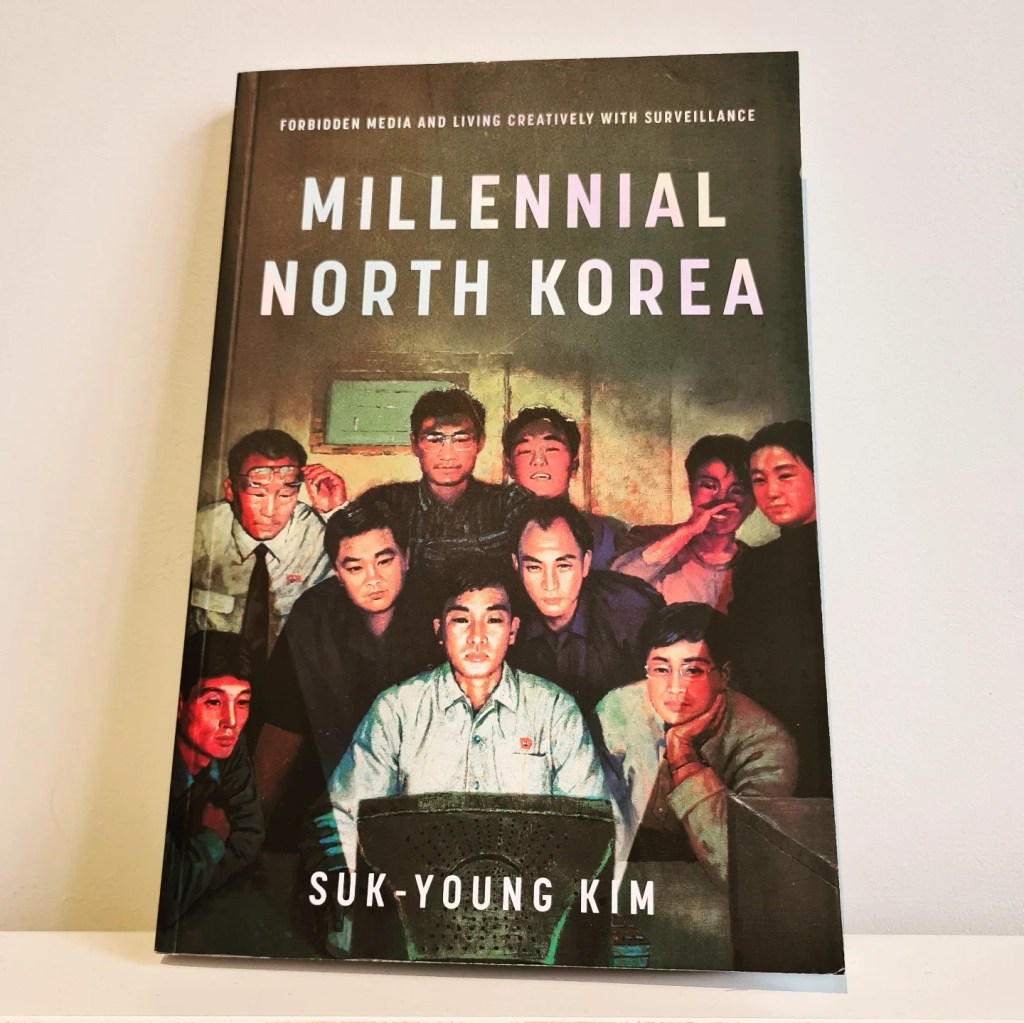
Over at The Asian Review of Books I’ve reviewed this fascinating new academic book about media consumption in North Korea. A fascinating book, it charts the technological developments in NK since the turn of the century, profiles North Korean millennials as a group, offers NK-centric reading of key K-dramas and films, and most importantly shows how North Korean people are relentless and creative when it comes to accessing forbidden information. Click on the hyperlink above for the full review.
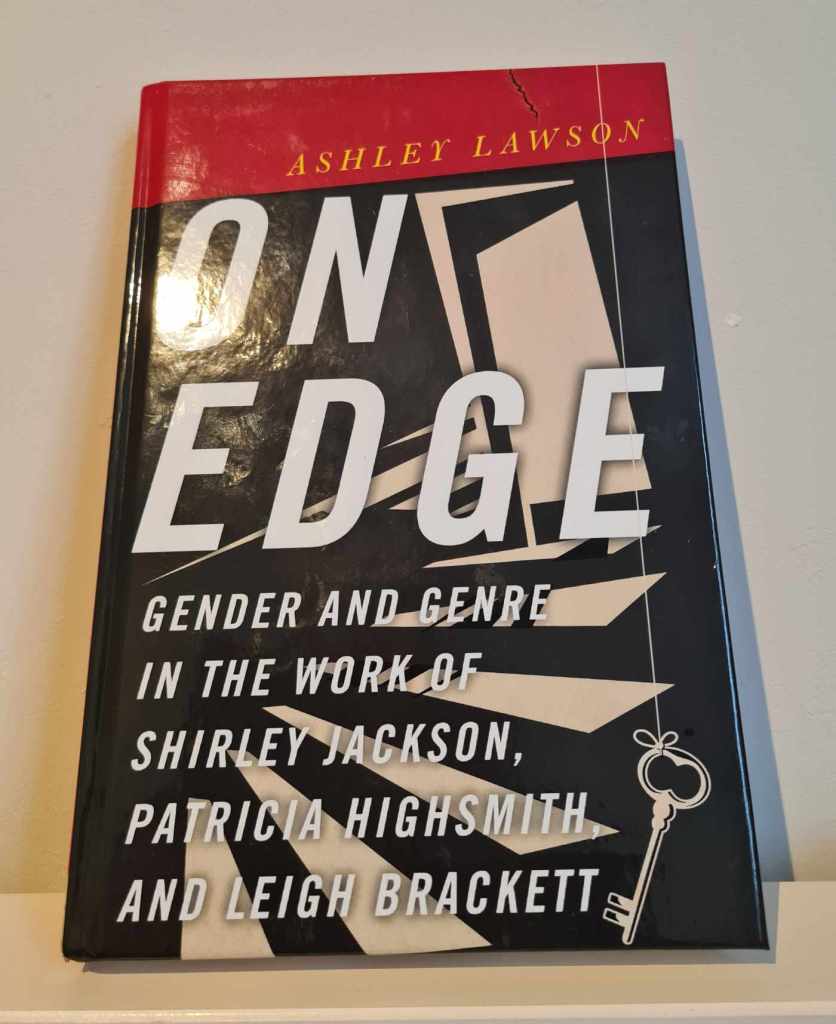
I recently reviewed Ashley Lawson’s On Edge: Gender and Genre in the Work of Shirley Jackson, Patricia Highsmith, and Leigh Brackett for The Journal of Popular Culture. For me, the main draw was to read some sustained work on Leigh Brackett, one of my favourite authors, who I have a long-cherished project on that I hope to begin very soon. Secondly, all three authors have had a powerful impact on popular culture: Jackson’s The Haunting of Hill House is the Platonic form of the haunted house story, and Highsmith’s grippingly amoral character Tom Ripley has been featured in film and TV numerous times. As to Brackett, you’ll be hearing more from me about her soon enough.
Lawson’s book is an impressively researched and argued work on three brilliant authors, and you can read the full review by clicking on the hyperlink above.
Like my fascination with folk horror, I can trace my interest in Terence Fisher to my early teens, when I stayed up late to watch a TV screening of Curse of the Werewolf. Hoping for something lurid and fast-paced, I both did and didn’t get what I bargained for, as a slow-burning film – that seemed less a horror and more a sadistic tragedy – unfolded. Continue reading →
Folk horror is like obscenity in Potter Stewart’s famous definition: you know it when you see it. Characterised by eerie rural landscapes, malevolent forces that work through ancient objects unearthed by hapless farmhands, and bloodthirsty cults that flourish in secret behind a peculiarly British veneer of village green propriety. Closely associated with the 60s and 70s, it’s the sort of stuff that was a mainstay of late-night television during my adolescence. Does folk horror then refer to a style of horror past – to once-chilling fireside ghost stories that are now occasionally disinterred for a nostalgia rush or for camp value? Continue reading →
 The Scientific Anglian